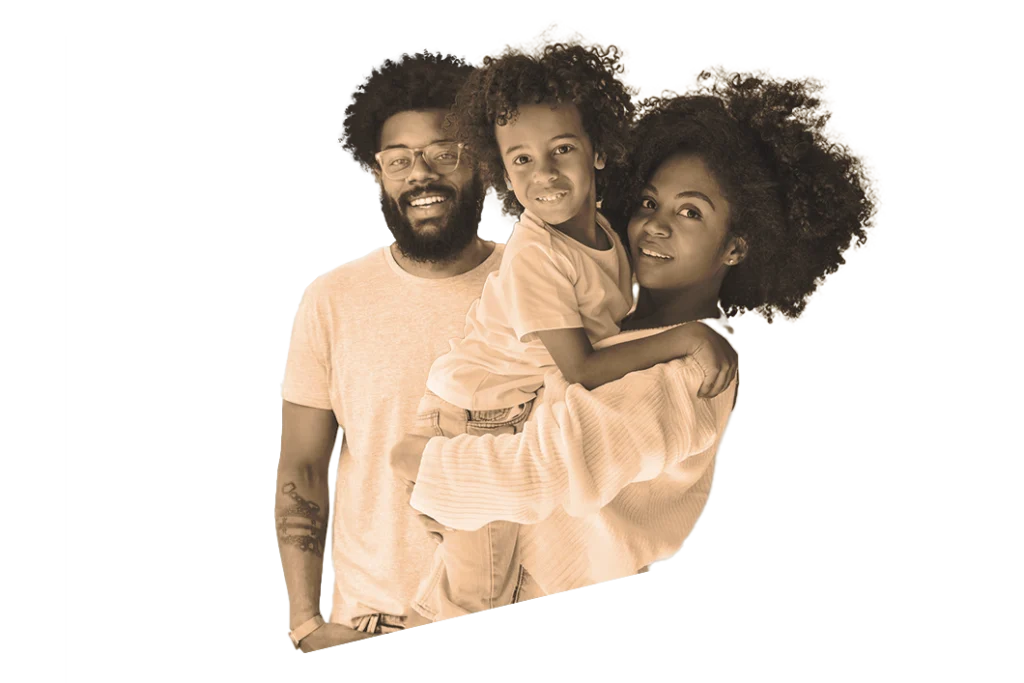
What is Capoeira De Angola?
An ancient African practice that combines martial arts, dance, and music that will transform the way you see your roots.
Get empowered: Our class is where tradition meets innovation, and where the essence of Capoeira De Angola intertwines with the spirit of Hip Hop and Break Dancing.
Get empowered: Our class is where tradition meets innovation, and where the essence of Capoeira De Angola intertwines with the spirit of Hip Hop and Break Dancing.
CAPOEIRA IS ABOUT
CULTURAL ENRICHMENT
CULTURAL ENRICHMENT
CAPOEIRA IS ABOUT
RESISTANCE AND RESILIENCE
RESISTANCE AND RESILIENCE
CAPOEIRA IS ABOUT
SELF AWARENESS
SELF AWARENESS
CAPOEIRA IS ABOUT
SELF CONFIDENCE
SELF CONFIDENCE
CAPOEIRA IS ABOUT
BETTER BODY CONTROL
BETTER BODY CONTROL
CONNECT WITH
YOURSELF

CAPOEIRA DE ANGOLA IS VERY IMPORTANT TO ME BECAUSE IT TEACHES ME MANY THINGS LIKE HOW TO PROTECT AND DEFEND MYSELF. IF SOMEONE WAS TO TRY AND KIDNAP ME OR ANYTHING ELSE, I COULD PROTECT MYSELF.
Ciera Parker, 12 years old
RAISE YOUR ROOTS!
6 REASONS TO STUDY
CAPOEIRA DE ANGOLA
1
KEEP YOUR GUARD UP!
Capoeira originated as a form of resistance against oppression and slavery. Today, it is a powerful art form that represents black resilience.
2
KEEP OUR MEMORY ALIVE!
Capoeira’s Impact on Black Culture helps preserve the heritage and identity of all Black people.
3
RISE UP!
Capoeira empowers individuals and fosters a sense of pride and community.
4
LEARN WITH YOUR OWN BODY
Capoeira provides Kinesthetic intelligence, self-awareness, and confidence.
5
GET YOUR BODY MOVING!
Capoeira promotes good health and is a great physical activity. A fun way to stay in shape.
6
UNITE YOUR GENERATION!
Experience capoeira’s equality and inclusion. Break barriers, embrace diversity, and advocate for a more just society.
I liked the way it makes my body move. You move in a different way than break dancing •or funky chicken or just dancing around. It's not too fast, it's not too slow. It's just perfect. It's good enough for you to not hurt yourself and to catch on. I caught on the second time we did it.
Patrome Collins
WHAT CAPOIERA DE ANGOLA MEANS TO ME IS RESPECT, TRUST, AND HONOR. ANOTHER THING CAPOIERA TEACHES ME IS A WAY TO PROTECT AND DEDEND MYSELF AGAINST OTHERS THAT MAY BE BIGGER, STRONGER, AND QUICKER THAN ME. IF I DON’T FOLLOW THE RULES, I HAVE TO DO 5,000 JUMPING JACKS, PUSH-UPS, AND OR CRUNCHES. CAPOIERA IS AN ART THAT YOU CAN HAVE FUN WITH.
Anthony Parker
I LIKE CAPOEIRA BECAUSE IT IS AN EXPRESION FOR ME. I LIKE CAPOEIRA BECAUSE I WOULD LIKE TO BE A MARSHAL ARTIST. IT IS THE BEST CLASS I HAVE EVER BEEN TO. IT WILL TEACH ME HOW TO DEFEND MYSELF AND THAT IS A LOT. I LIKE THE CLASS.
Tolerson
CAPOEIRA DE ANGOLA IS WHAT I WANT FOR MY NEW LIFE. IT'S FULL OF DANCE, LAUGHTER, CHALLENGES, AND INNER STRENGTH REVEALING ITSELF. IT'S MY DAD IN ME SHOWING HIS STRENGTH, LOVE, AND SOFTY COMING OUT AND COMING WITH MY CAPOEIRA FAMILY.
Adult Practitioner
OUR
ROOTS
MATTER
WHY IS CAPOEIRA SO IMPORTANT
FOR THE BLACK COMMUNITY?
IT'S PART OF OUR HISTORY:
SCROLL DOWN
Back in the day, when our ancestors were brought to Brazil during the slave trade in the 16th century, something incredible was born. It’s called Capoeira Angola, y’all. Picture this: enslaved Africans disguised their badass martial art as a smooth dance. It was a clever way to stick it to the oppressors and keep their culture alive. Capoeira became their self-defense and secret language, helping them organize uprisings and break free.
Now, let me tell you about a time when capoeira had to go undercover. In the 19th century, Brazil decided to ban this powerful art form because it represented rebellion and resistance. But guess what? Our people didn’t back down. They gathered in secret, maintaining their traditions and keeping the spirit of Capoeira Angola alive. It became a symbol of our strength and defiance, a hidden gem that couldn’t be suppressed.
REBELLION
AND
RESISTENCE
CONNECTION
TO OUR
HERITAGE
Fast forward to the early 20th century, when capoeira made its way to the United States, bringing a taste of our African roots. As African-Americans faced racism and discrimination, capoeira became our way to reclaim our identity and fight against injustice. It became more than just moves and music—it became a connection to our heritage, a powerful tool in our struggle.
During the Civil Rights Movement in the 50s and 60s, capoeira Angola became our secret weapon. As we fought for our rights and equality, we embraced this art form as a form of activism and empowerment. The fluid movements, the soulful music, and the sense of community in capoeira spoke to our spirits, bringing us together and showing the world our resilience.
ACTIVISM
AND
EMPOWERMENT
CULTURAL
TREASURE
As the years went by, capoeira Angola continued to grow and spread its wings in America. Dedicated instructors and practitioners built schools, organized events, and shared their knowledge, all to keep this cultural treasure alive. Capoeira became a bridge, connecting African-American communities to their roots, showing us that our history is worth celebrating.
Today, capoeira Angola still shines bright in our American culture. It’s a force of unity and inclusion, breaking down barriers and promoting diversity. In the roda, people of all backgrounds come together to experience the rich history, philosophy, and pure physicality of capoeira. It’s a reminder of the strength and resilience that flows through our veins, shaping our culture and reminding us of our roots.
stregth
and
resilience
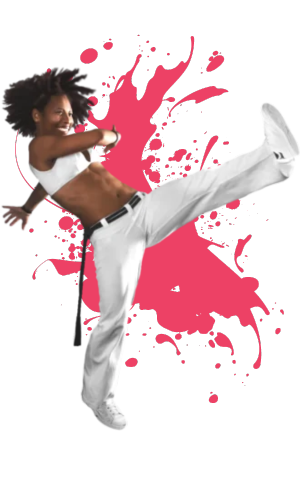
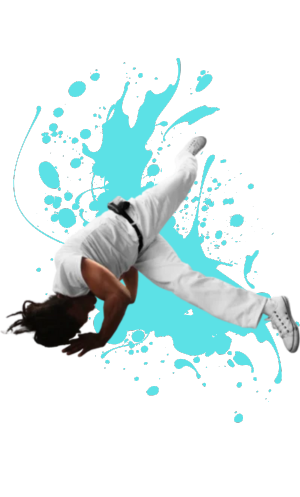
I see how this will be a benefit to my life as an artist and staying out of trouble
Ronald Russel, 18yo, artist
HI, MY NAME IS ANTHONY PARKER. I AM 13 YEARS OLD, AND IN THE 7TH GRADE. WHAT CAPOEIRA DE ANGOLA MEANS TO ME IS RESPECT, TRUST, AND HONOR. CAPOEIRA IS AN ART THAT YOU CAN HAVE FUN WITH
Anthony Parker
THIS IS A BEAUTIFUL ART THAT IS CHANGING MY OUTLOOK ON LIFE. BUT AS LOREN AND ZEN HAVE SHOWN ME CAPOEIRA CAN MAKE YOU YOUNG. THIS ART HAS SHOWN ME OUR AFRICAN FOREFATHERS HAD TRUE KNOWLEDGE OF OUR BODIES. IT HAS MADE ME STRONGER AND MORE LIMBER.
Adult practitioner
HOW CAPOEIRA
DE ANGOLA WORKS?
THE "RODA"
Traditionally, capoeira takes place in the so-called “roda”: a circle of trainers and spectators. It’s like a Performance.
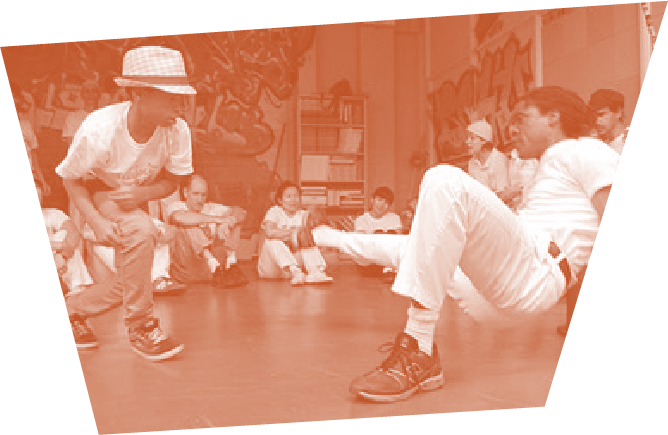
ONE-ON-ONE
Two participants move to the center and perform a combination of combat and dance elements.
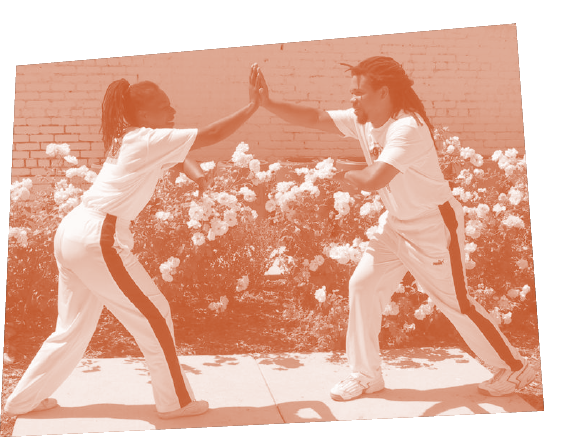
THE FLOW
At a Roda, kicks, jumps and somersaults flow into each other and give the sport its typically graceful sequences of movements.
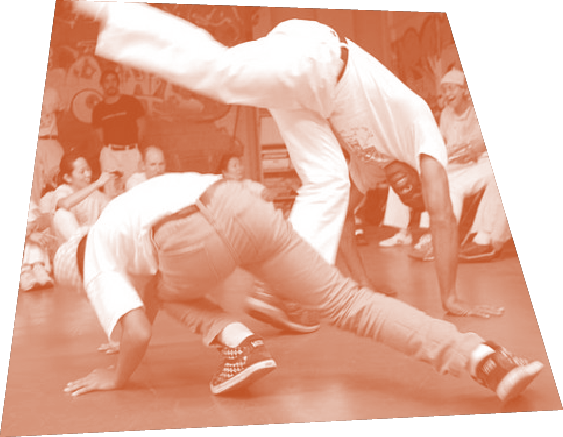
The Capoeira de Angola is like unto that seed planted in fertile soil producing a tree which brings forth a fruit containing within it the same seed that produced it in the first place.
Brother Jason Lee Byrd
Brother Jason Lee Byrd
FREQUENTLY
ASKED
QUESTIONS
Capoeira was and still is an expression of resistance to tyranny and oppression that was practiced in secret to strengthen the spirit during difficult times. People also believe that Capoeira was a way to train disguisedly through dancing.
Capoeira is one of the few activities where men, women, and children can participate on an equal playing ground. In capoeira, there is no discrimination of size, age, or ability.
Capoeira de Angola classes typically involve a combination of physical training, music, and cultural education. You can expect to learn various movements, sequences, and techniques of Capoeira, as well as participate in roda (circle) where you can engage in friendly sparring with other participants.
No prior experience is necessary to join our Capoeira de Angola classes. Our classes are designed to accommodate beginners and experienced practitioners alike. Our instructors will guide you through the fundamentals and help you progress at your own pace.
Capoeira de Angola offers numerous benefits, including improved physical fitness, coordination, flexibility, and strength. It also promotes cultural awareness, self-confidence, discipline, and a sense of community.
Capoeira Angola, an art form with roots dating back centuries before the forced enslavement of African people, was developed by those who were captured by the Portuguese and brought to Brazil in the 1500s. Although Capoeira Angola is seldom practiced in Brazil or Angola today, it holds significant historical importance. The earliest form of Capoeira was created by enslaved individuals as a means to enhance their chances of achieving freedom and independence.
Yes, Capoeira de Angola can be practiced by people of all ages and fitness levels. The movements and intensity can be adjusted to accommodate individual capabilities. We strive to create a welcoming and inclusive environment for everyone
FOR THE ENTIRE FAMILY
Capoeira is one of the few activities where men, women, and children can participate on an equal playing ground. In capoeira, there is no discrimination of size, age, or ability.